

Casual Western Wear vs Semi-Formal Looks for Men
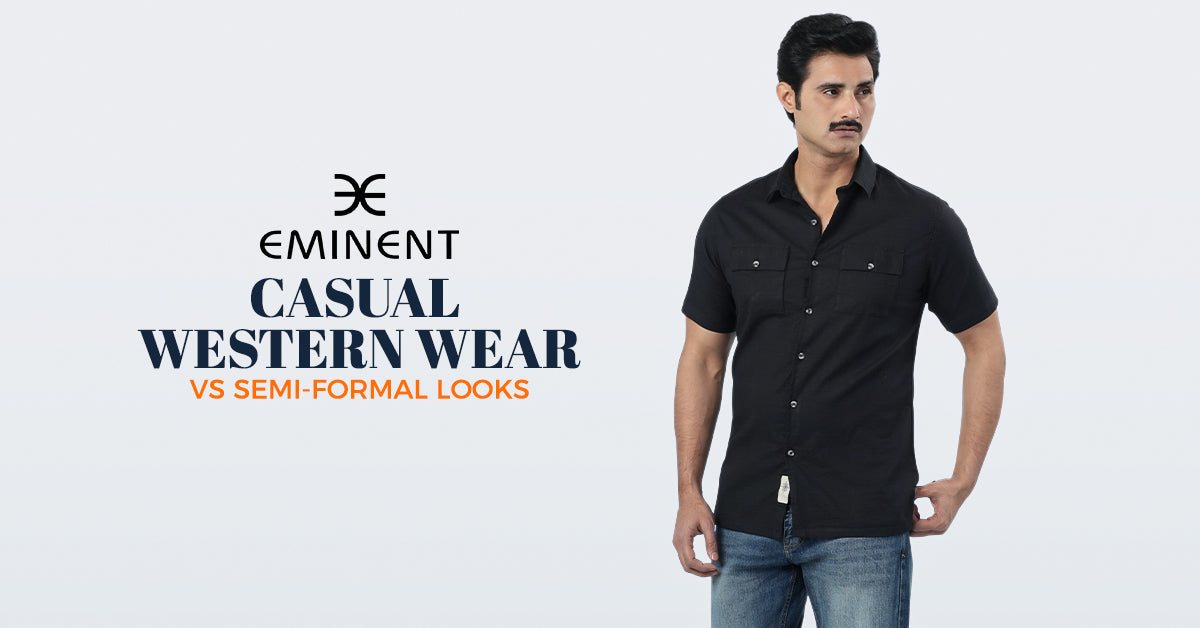
Casual Western Wear vs Semi-Formal Looks: What Should Men Wear and When?
Men’s western wear is not one category. It shifts depending on the occasion, setting, and intention behind the outfit.
Many men struggle with this question:
Is this too casual? Or is this too formal?
Understanding the difference between casual western wear and semi-formal looks helps you dress appropriately without overthinking your wardrobe. When you know the distinction, styling becomes easier and more confident.
Explore versatile options here: Men’s Western Wear
What Is Casual Western Wear?
Casual western wear focuses on comfort, ease, and everyday practicality. It is designed for movement and flexibility without looking careless.
Common Casual Staples
- Structured t-shirts
- Polo shirts
- Stretch denim
- Relaxed chinos
- Clean sneakers
The emphasis is on breathable fabrics and natural silhouettes. Casual does not mean sloppy. It means balanced and effortless.
When to Wear Casual Western Outfits
- Weekend outings
- Informal meetups
- Travel
- Daily wear
- Relaxed office environments
A simple combination like a cotton t-shirt with straight denim and minimal sneakers works because it feels intentional without trying too hard.
What Defines a Semi-Formal Western Look?
Semi-formal western wear sits between casual and fully formal attire. It introduces structure, sharper lines, and a more refined finish.
Key Semi-Formal Pieces
- Button-down shirts
- Tailored chinos or dress trousers
- Polished loafers or lace-ups
- Lightweight blazers or structured jackets
The goal is to look composed and prepared without wearing a full suit.
When to Choose Semi-Formal Styling
- Business casual meetings
- Smart dinners
- Professional events
- Formal social gatherings
A crisp shirt paired with tailored chinos instantly elevates your appearance while remaining comfortable
The Real Difference: Structure and Intent
The shift from casual to semi-formal often comes down to three things:
1. Fit
Casual fits may be slightly relaxed. Semi-formal fits are cleaner and more tailored.
2. Fabric
Casual pieces prioritize softness and stretch. Semi-formal pieces focus on structure and drape.
3. Footwear
Sneakers lean casual. Loafers or dress shoes add refinement.
You do not need a completely separate wardrobe. Small adjustments create noticeable differences.
How to Transition From Casual to Semi-Formal
You can elevate a casual outfit with simple changes:
- Replace sneakers with loafers
- Swap a t-shirt for a structured shirt
- Add a lightweight blazer
- Choose tailored trousers instead of relaxed denim
These subtle upgrades transform the overall tone of your look.
Practical Outfit Examples
Casual Day Look
T-shirt + straight denim + clean sneakers
Smart Casual Office Look
Polo shirt + chinos + loafers
Semi-Formal Evening Look
Button-down shirt + tailored trousers + structured jacket
Each combination serves a purpose. Dressing well is about matching your outfit to the moment.
Why This Distinction Matters
Modern men value versatility. A wardrobe built with flexible western wear pieces allows you to move from casual to semi-formal without confusion.
When your essentials are well-fitted, neutral-toned, and thoughtfully chosen, styling becomes straightforward.
The key is not adding more. It is choosing better.


Please upload banner from store admin blog pages
Frequently Asked Questions
Find answers to common questions about our products and services.