

Do You Need Conditioner Every Time You Shampoo?
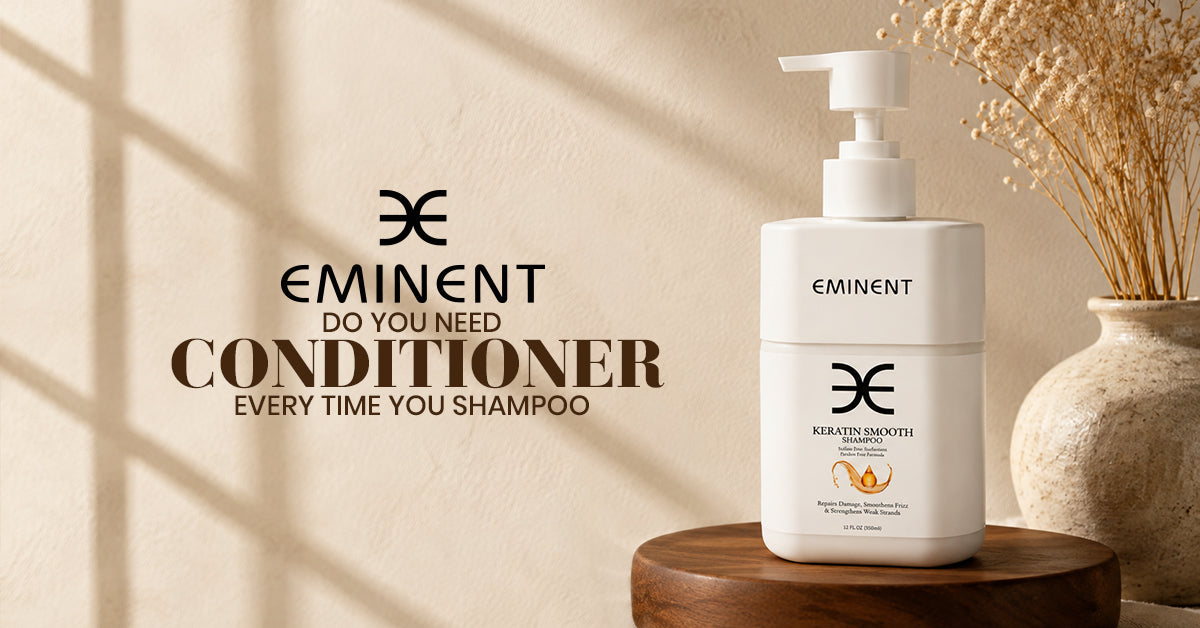
The two bottles sit side by side, so most of us assume they are a package deal. Shampoo, then conditioner, every single time. Then someone with oily roots tells you conditioner is why your hair goes flat by lunchtime, and someone else says skipping it is why your ends look like straw. Both of them are half right. Whether you need conditioner at every wash depends on your hair type, your water, and where you are putting it. This guide covers what conditioner actually does, who can skip it, and how to use it properly. Browse our shampoo and conditioner range as you read. Start with your scalp.
Most hair types benefit from conditioner at every wash, applied only from the mid lengths down.
If your hair feels weighed down, the problem is usually where you apply it, not how often.
What Conditioner Actually Does
Shampoo is a cleanser. It lifts oil, sweat, product, and pollution off the scalp, and in doing so it opens the outer layer of the hair, called the cuticle. That is fine on the scalp, where fresh oil is produced daily. It is less fine at the ends, which have no oil supply of their own.
Conditioner closes that cuticle back down. It smooths the surface, replaces some of the moisture the shampoo stripped, and makes the hair easier to comb without breaking. This is why detangling feels so different before and after.
Shampoo cleans, conditioner protects. The ends of long hair are years old and have no way to repair themselves.
So, Do You Need It Every Time?
For most people, yes. The exceptions are narrower than the internet suggests.
|
Hair Type |
Condition Every Wash? |
Where to Apply |
|
Dry, frizzy, or curly |
Yes, always |
Mid lengths to ends |
|
Coloured or chemically treated |
Yes, always |
Mid lengths to ends |
|
Long hair, any type |
Yes |
Bottom half only |
|
Normal hair |
Yes |
Mid lengths to ends |
|
Fine or thin hair |
Yes, lightly |
Ends only |
|
Very short hair, oily scalp |
Not always |
Ends if needed |
|
Oily scalp, dry ends |
Yes |
Ends only, never roots |
The only people who can genuinely skip it most of the time are those with very short hair and an oily scalp, where the natural oil reaches the ends within a day anyway.
If you have long hair, condition every wash without exception. Those ends are the oldest part of your hair and the most fragile.
How to Use Conditioner Properly
This is where most complaints about greasy or flat hair come from, and the fix takes ten seconds.
Squeeze the water out of your hair after shampooing. Conditioner applied to dripping wet hair slides straight off and does nothing. Damp is what you want.
Apply from the mid lengths downward and keep it off the scalp entirely. Your roots produce their own oil, and adding conditioner there is exactly what makes hair flat by the afternoon. Concentrate the product on the last few inches, where the damage actually sits.
Leave it for two to three minutes. This is the part people rush. Comb it through with a wide tooth comb while it sits, which detangles the hair while it is protected rather than when it is bare and fragile.
Rinse with cool or lukewarm water. Hot water reopens the cuticle you just closed.
What About Hard Water?
Worth mentioning, because most of Karachi deals with it.
Hard water leaves mineral deposits on the hair that make it feel rough and look dull, and it makes shampoo harder to rinse out cleanly. In these conditions, conditioner is doing more work than it would elsewhere, which is another reason skipping it rarely helps here.
A final rinse with filtered or bottled water once a week makes a noticeable difference over a month. So does a weekly hair mask in place of conditioner, which goes deeper than a two minute product can.
Building the Routine
The simple version most people need looks like this.
Wash two or three times a week rather than daily, since over washing strips the scalp and triggers it to produce more oil. Condition every wash, ends only. Swap the conditioner for a mask once a week if your hair is dry, coloured, or heat styled often.
That is the whole routine. Consistency does more than any single product.
Related reading: Best Hair Mask for Dry and Damaged Hair
Common Conditioner Mistakes
- Applying It to the Scalp: The single most common cause of flat, greasy hair by midday.
- Using It on Soaking Wet Hair: It slides off before it can work. Squeeze the water out first.
- Rinsing Immediately: Under a minute and you have wasted the product. Give it two to three.
- Using Too Much: A coin-sized amount suits short hair. More is not better.
- Skipping It on Long Hair: The ends have no oil supply and no way to repair themselves. Rinsing With Hot Water: Undoes the smoothing you just did.
Key Takeaways
- Shampoo cleans the scalp; conditioner protects the lengths and ends.
- Most people should condition at every wash, applied only from mid lengths down.
- Only very short hair with an oily scalp can regularly skip it.
- Squeeze out excess water first, leave it two to three minutes, rinse cool.
- Swap in a mask once a week for dry, coloured, or heat-styled hair.
Ready to sort your routine? Explore our shampoo and conditioner range and pick a pair suited to your hair type.


Please upload banner from store admin blog pages
Frequently Asked Questions
Find answers to common questions about our products and services.